Currency Exchange Tips
Travelling abroad? Learn how to exchange money wisely, avoid hidden fees, compare rates, use cards and ATMs safely, and manage foreign currency during your trip.
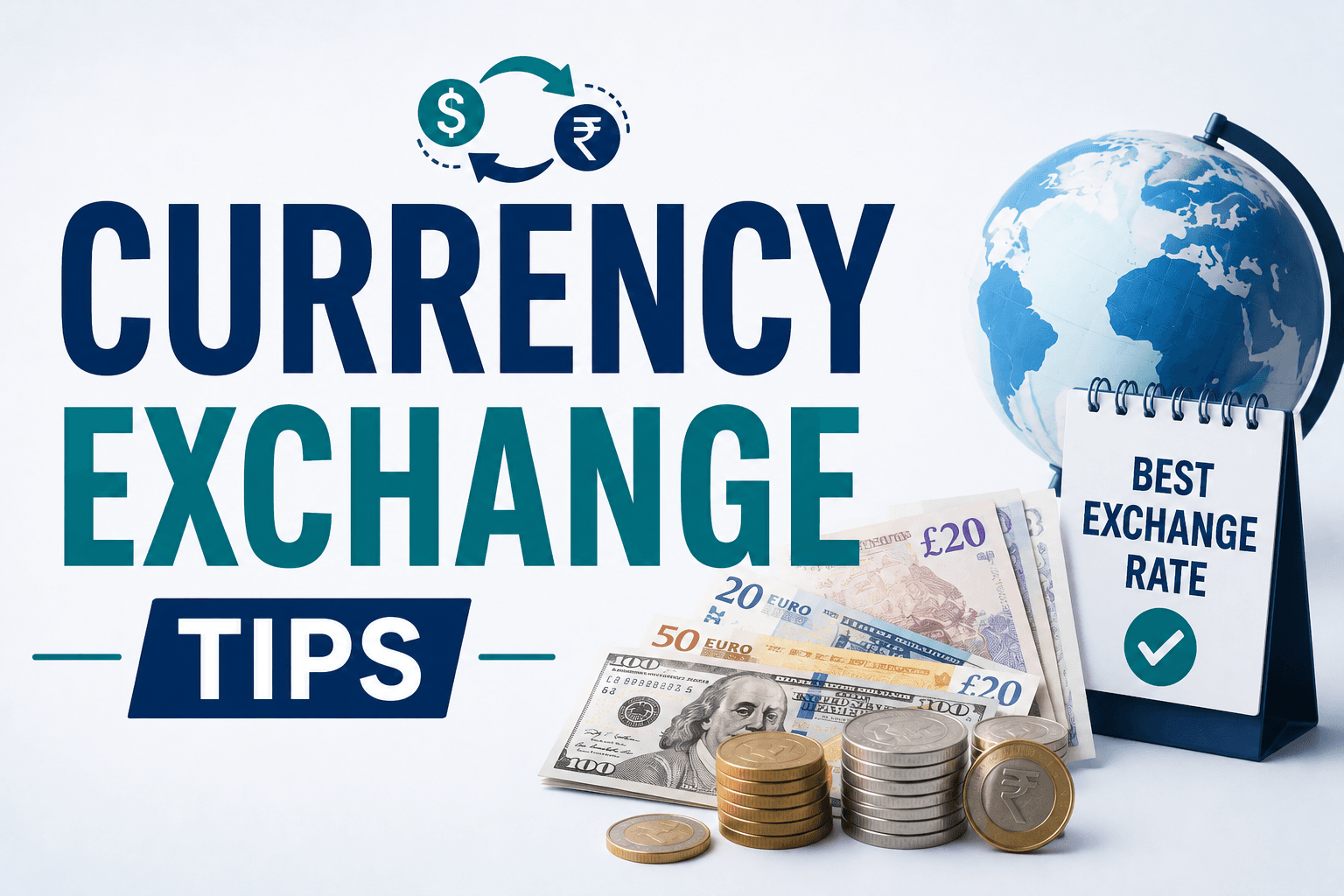
Currency Exchange Tips for International Travellers
When travelling internationally, managing foreign currency is an important part of planning your trip. Whether you are travelling from Pakistan for tourism, business, Umrah, or visiting family, understanding currency exchange can help you avoid unnecessary costs.
Exchange rates, service charges, ATM fees, and card conversion fees can all affect how much you actually spend during your journey.
What Is Currency Exchange?
Currency exchange is the process of converting one country's currency into another.
For example, Pakistani travellers may need to convert Pakistani Rupees (PKR) into currencies such as:
- US Dollar (USD)
- Euro (EUR)
- British Pound (GBP)
- Saudi Riyal (SAR)
- UAE Dirham (AED)
- Turkish Lira (TRY)
The amount you receive depends on the current exchange rate and any fees charged by the exchange provider.
Check the Exchange Rate Before Travelling
Before exchanging money, check the current exchange rate so you have an idea of how much your currency is worth.
This helps you:
- Compare exchange offers
- Estimate your travel budget
- Identify unusually poor rates
- Understand local prices
Remember that the rate shown online may not be the exact rate offered by a bank, exchange company, or card provider.
Compare Exchange Rates
Don't automatically exchange money at the first place you find.
Compare the rate offered by:
- Banks
- Licensed exchange companies
- Airport exchange counters
- ATMs
- Card providers
A slightly better exchange rate can make a noticeable difference on a larger amount of money.
Be Careful With Airport Currency Exchange
Airport exchange counters are convenient, especially when you have just arrived in a new country.
However, convenience can sometimes come with less favourable exchange rates or additional fees.
If possible, exchange only enough money at the airport for immediate needs such as transportation, food, or other essentials.
Understand Exchange Fees
The exchange rate is not the only thing to consider.
Some providers may charge:
- Service fees
- Commission
- ATM fees
- International transaction fees
- Currency conversion charges
Always ask about the total cost before completing a transaction.
Carry Some Local Currency
Although cards and mobile payments are widely accepted in many destinations, carrying some local cash can still be useful.
Cash may be needed for:
- Small shops
- Local transportation
- Tips
- Markets
- Emergency situations
- Places that do not accept cards
Avoid carrying unnecessarily large amounts of cash.
Use ATMs Carefully
ATMs can be a convenient way to obtain local currency while travelling.
Before withdrawing money:
- Check the ATM operator
- Check your bank's international withdrawal fees
- Review the exchange rate
- Look for additional charges
- Use ATMs in secure locations
When possible, use ATMs operated by reputable banks.
Be Careful With Dynamic Currency Conversion
Some international ATMs and card terminals may ask whether you want to pay or withdraw in your home currency instead of the local currency.
This is known as Dynamic Currency Conversion (DCC).
The offered conversion rate may not always be the most favourable.
When appropriate, compare the options carefully and understand the exchange rate and fees before accepting the conversion.
Using Debit and Credit Cards Abroad
Cards can be very convenient for international travel.
Before travelling, check whether your card supports international transactions and understand:
- Foreign transaction fees
- Currency conversion fees
- ATM withdrawal fees
- Daily spending limits
- International usage settings
Notify your bank if required so your card does not unexpectedly get blocked while travelling.
Keep Emergency Cash
It is useful to keep a small amount of emergency cash separately from your main wallet.
This can help if:
- Your card stops working
- Your phone battery dies
- An ATM is unavailable
- A payment terminal is not working
- You lose your main wallet
Keep emergency cash somewhere secure.
Avoid Unofficial Money Changers
Always use legitimate and authorized currency exchange services.
Avoid exchanging money through unknown individuals or unofficial sellers simply because they offer a better rate.
An attractive exchange rate is not worth the risk of fraud, counterfeit currency, or legal problems.
Check Your Money Before Leaving the Counter
After completing a currency exchange transaction, count the money and check your receipt before leaving.
Make sure:
- The amount is correct
- The currency is correct
- The exchange rate is correct
- Any fees are clearly shown
If there is an issue, it is much easier to resolve it immediately.
Keep Your Exchange Receipts
Keep receipts for currency exchange transactions, especially when exchanging larger amounts.
Receipts can help you:
- Confirm the transaction
- Track your spending
- Resolve disputes
- Maintain financial records
Don't Exchange All Your Money at Once
Exchange only what you reasonably expect to need.
Exchange rates can change, and you may find better options later during your trip.
Having a combination of cash and cards can provide greater flexibility.
Currency Exchange Tips for Pakistani Travellers
Pakistani travellers should consider their destination and travel plans before deciding how much foreign currency to carry.
Before leaving Pakistan:
- Check the destination's currency.
- Compare available exchange rates.
- Check your bank's international card charges.
- Understand any applicable currency rules.
- Carry some emergency funds.
- Keep important financial information secure.
For destinations such as Saudi Arabia, UAE, the UK, Europe, and Türkiye, planning your currency requirements in advance can make your trip easier.
How Much Foreign Currency Should You Carry?
There is no single amount that is suitable for every traveller.
Your needs depend on:
- Trip duration
- Destination
- Accommodation
- Transportation
- Planned activities
- Card availability
- Personal spending habits
Prepare a realistic daily budget and keep some additional funds available for emergencies.
Protect Your Cash and Cards
When travelling, take basic precautions to protect your money.
Avoid:
- Keeping all cash in one place
- Sharing your PIN
- Giving your card to strangers
- Carrying unnecessary amounts of cash
- Using suspicious ATMs
Keep your cards, cash, and important documents secure.
Track Your Spending
It is easy to spend more than expected when dealing with a foreign currency.
Keep track of your expenses throughout the trip.
You can record:
- Accommodation
- Food
- Transportation
- Shopping
- Attractions
- Exchange fees
- ATM withdrawals
A simple budgeting or notes app can help you stay within your travel budget.
Currency Exchange Checklist
Before travelling, remember to:
- ✅ Check the current exchange rate
- ✅ Compare exchange providers
- ✅ Understand fees and commissions
- ✅ Carry some local cash
- ✅ Check your card's international charges
- ✅ Inform your bank if necessary
- ✅ Know where reliable ATMs are available
- ✅ Avoid unofficial money changers
- ✅ Keep emergency cash
- ✅ Secure your cards and cash
- ✅ Keep exchange receipts
- ✅ Track your travel spending
Final Thoughts
Good currency planning can help international travellers save money and avoid unnecessary stress.
Before travelling from Pakistan, check the exchange rate, compare your options, understand card and ATM charges, and carry a sensible combination of cash and cards.
Most importantly, use authorized exchange services and keep your money secure throughout your journey.
Plan your currency wisely, spend carefully, and enjoy your trip with confidence.
Share this article
Keep Exploring
Related Articles
Riyadh Travel Guide for Pakistani Travellers
Planning a trip to Riyadh from Pakistan? Discover the best places to visit, visa information, flight options, accommodation, local transport, food and essential travel tips for a smooth journey.
2 October 2026
Saudi Arabia Travel Guide for Pakistani Travellers
Planning a trip to Saudi Arabia from Pakistan? Discover visa requirements, popular destinations, flights, accommodation, transportation, travel costs and essential tips for a smooth journey.
2 October 2026
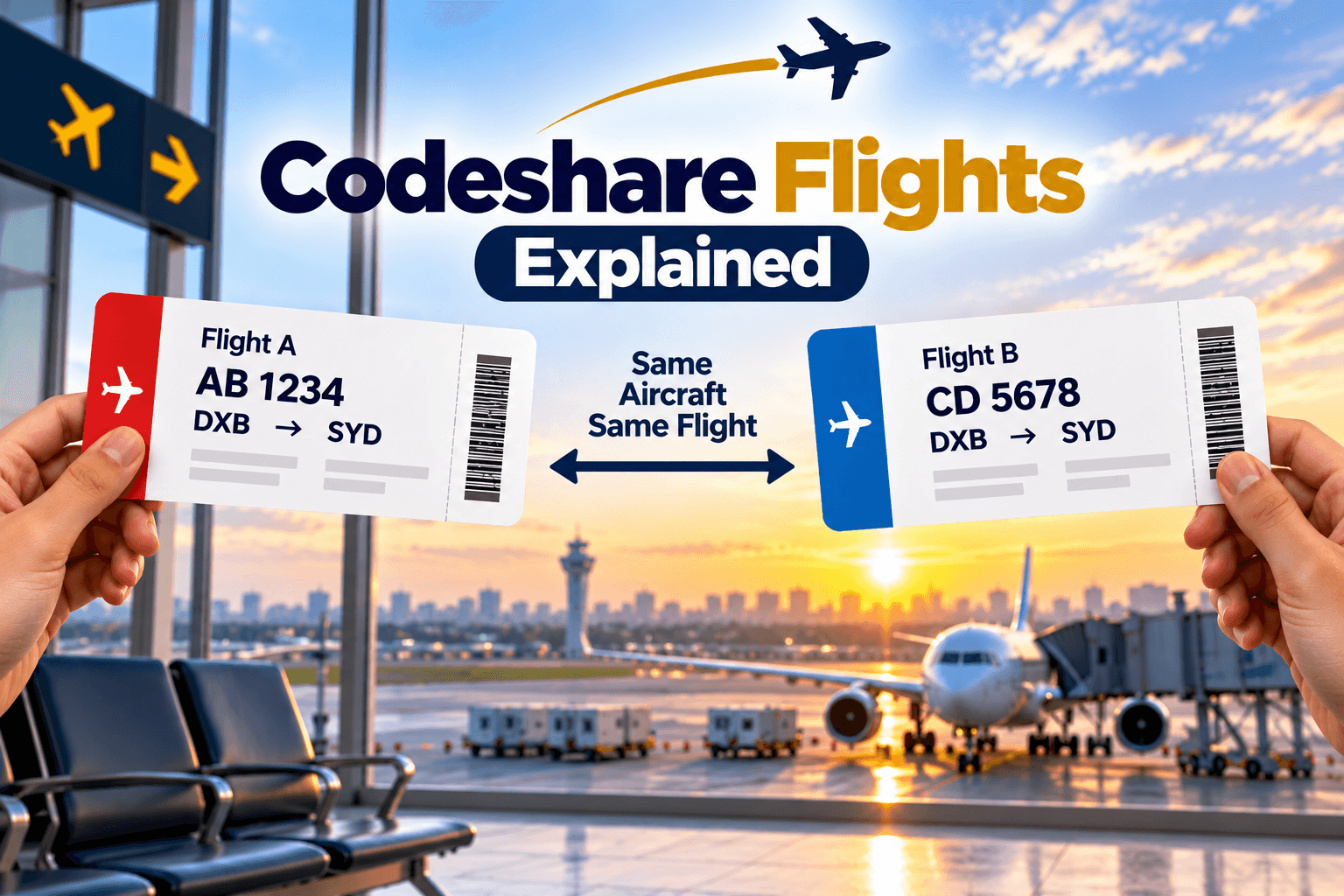
Codeshare Flights Explained
Booked with one airline but flying on another? Learn how codeshare flights work, which airline operates your flight, where to check in, baggage rules and what travellers should check before departure.
18 September 2026
Need help planning your journey?
Contact New Umer Holidays Travel for flights, Umrah services, visa assistance, hotel bookings and travel insurance.