Customs Clearance Guide
Travelling internationally? Learn what happens at airport customs, what you may need to declare, and how to prepare for a smooth customs clearance process.
Customs Clearance Guide: What International Travellers Need to Know
After arriving at an international destination, passing through immigration is not always the final step. Travellers may also need to go through customs before leaving the airport.
Customs clearance is the process of checking goods and items that passengers bring into a country. Understanding how customs works can help you avoid delays, unexpected problems, or penalties during your trip.
What Is Customs Clearance?
Customs clearance is the process through which customs authorities check goods entering or leaving a country.
Customs officers may check:
- Your luggage
- Personal belongings
- Food and agricultural products
- Commercial goods
- Restricted items
- Currency and valuables
- Other goods that may require declaration
The exact rules depend on the country you are entering.
When Do You Go Through Customs?
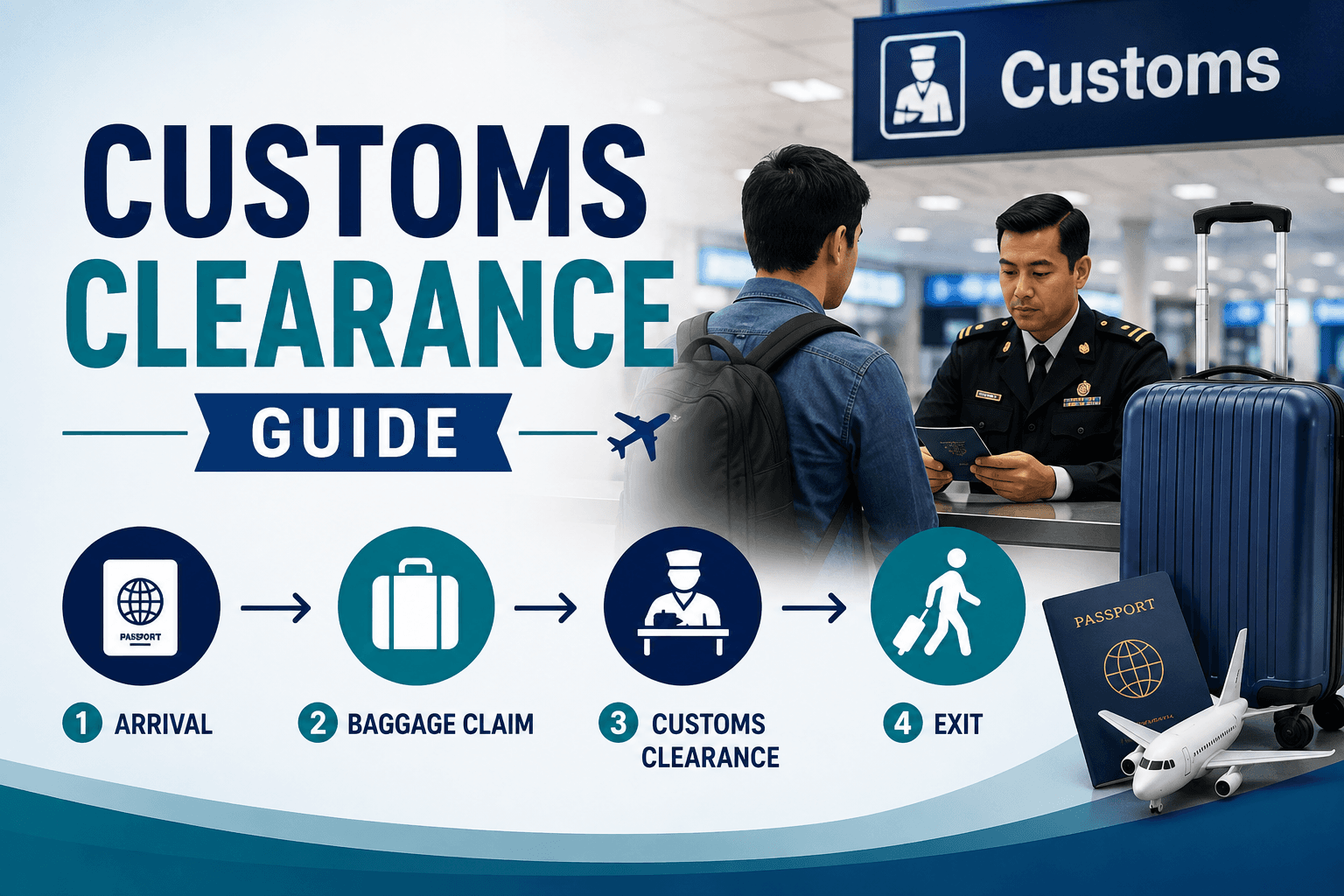
For most international arrivals, customs is completed after immigration and baggage collection.
A typical arrival process looks like:
International Flight → Immigration → Baggage Collection → Customs → Airport Exit
However, the exact order can vary between airports and countries.
Immigration vs Customs
Immigration and customs are two different processes.
Immigration
Immigration mainly checks who you are and whether you can enter the country.
It may involve:
- Passport verification
- Visa checks
- Travel purpose
- Entry requirements
- Biometric checks
Customs
Customs focuses mainly on what you are bringing into the country.
This may include:
- Goods
- Food
- Currency
- Commercial products
- Agricultural items
- Restricted products
Understanding this difference can make the airport arrival process easier to understand.
Do You Always Have to Declare Something?
Not necessarily.
Many travellers have nothing that requires declaration and can proceed through the appropriate customs channel.
However, you should declare items when the country's customs rules require you to do so.
If you are unsure whether something needs to be declared, it is safer to check the official customs requirements before travelling.
What Items May Need to Be Declared?
Declaration requirements vary by country, but common categories can include:
- Large amounts of cash
- Commercial goods
- Certain food products
- Plants and seeds
- Animal products
- Certain medicines
- Valuable items
- Goods exceeding duty-free allowances
Always check the specific requirements of your destination country.
Food and Agricultural Products
Food can be subject to strict customs rules.
Some countries restrict the entry of:
- Meat
- Dairy products
- Fresh fruit
- Vegetables
- Seeds
- Plants
- Animal products
These restrictions exist to protect agriculture, livestock, and the local environment.
An item that is perfectly legal to purchase in one country may not be permitted to enter another.
Customs Duty and Taxes
Some goods may be subject to customs duties or taxes when you enter a country.
Duty-free allowances may apply to certain categories of goods, such as:
- Personal purchases
- Gifts
- Alcohol
- Tobacco
- Other permitted products
The limits vary by country and traveller.
If your purchases exceed the applicable allowance, you may need to declare them and pay the required duties or taxes.
What Is a Duty-Free Allowance?
A duty-free allowance is the amount or type of goods a traveller may bring into a country without paying certain customs duties or taxes.
The allowance can depend on:
- Destination country
- Traveller's age
- Type of goods
- Quantity
- Value of goods
- Whether the items are for personal use
Always check the current allowance before travelling.
Cash and Currency Declaration
Some countries require travellers to declare cash or monetary instruments above a certain threshold.
This can apply to:
- Cash
- Foreign currency
- Certain negotiable instruments
- Other forms of monetary value
The reporting threshold varies by country.
If you are carrying a large amount of cash, check the destination country's rules before travelling.
Personal Belongings
Normal personal belongings such as clothing, shoes, toiletries, and everyday electronics are generally treated differently from commercial goods.
However, customs rules can still apply depending on the quantity, value, and purpose of the items.
For example, carrying multiple identical new products may raise questions about whether they are intended for personal use or commercial purposes.
Commercial Goods
If you are carrying products for business purposes, resale, or commercial activity, additional customs requirements may apply.
You may need:
- Invoices
- Receipts
- Import documentation
- Commercial declarations
- Other supporting documents
If you are travelling with goods for business, check the customs requirements before your trip.
Medicines and Customs
Travelling with medicines can involve both airline and customs requirements.
Some medicines may be restricted in certain countries even if they are legally available in your home country.
If you are travelling with medication, consider carrying:
- The medicine in its original packaging
- A prescription when appropriate
- Supporting medical documentation
For controlled or restricted medicines, check the destination country's requirements before travelling.
The Green and Red Channels
Some international airports use separate customs channels.
Green Channel
The green channel is generally intended for travellers who have nothing to declare.
Red Channel
The red channel is generally used by travellers who have goods or items that need to be declared.
The exact system can vary between airports.
If you are unsure whether you need to declare something, check the airport instructions or ask a customs officer.
What Happens During Customs Inspection?
If customs officers select your baggage for inspection, they may ask you to open your luggage.
They may check:
- Contents of your baggage
- Receipts
- Food products
- Commercial goods
- Restricted items
- Declared items
A customs inspection does not necessarily mean that you have done anything wrong. Random or routine inspections can take place.
Follow the officer's instructions and provide accurate information.
What Happens If You Do Not Declare an Item?
Failing to declare an item when declaration is required can result in serious consequences.
Depending on the country and the item, consequences may include:
- Confiscation
- Fines
- Additional taxes or duties
- Delays
- Further inspection
- Legal action in serious cases
If you are unsure about an item, it is better to check the rules or ask customs rather than assume it is allowed.
How Long Does Customs Clearance Take?
For many travellers, customs clearance can take only a few minutes.
However, processing time can increase during busy periods or when:
- The airport is crowded
- Baggage is delayed
- Your luggage is selected for inspection
- You have goods to declare
- Additional documentation is required
Allow some extra time when planning onward transportation after your flight.
Tips for a Smooth Customs Process
Before travelling:
- Check the customs rules of your destination.
- Understand the duty-free allowances.
- Check food and agricultural restrictions.
- Know whether you need to declare cash.
- Keep receipts for expensive purchases.
- Keep medicines properly labelled.
- Separate items that may need declaration.
- Complete customs forms accurately.
- Answer customs officers honestly.
- Do not carry items you are unsure about without checking the rules.
Customs Rules Can Differ Between Countries
One of the most important things to remember is that customs rules are not the same everywhere.
For example, a food product that is permitted in one country may be restricted in another.
Similarly, duty-free limits, cash declaration requirements, medicine restrictions, and import rules can vary significantly.
Always check the latest official customs information for your destination before travelling.
Final Thoughts
Customs clearance is an important part of international travel. While the process is usually straightforward for travellers carrying normal personal belongings, certain goods may need to be declared or may be restricted.
Understanding customs requirements before your trip can help you avoid unnecessary delays, unexpected charges, or problems at the airport.
Before travelling internationally, check the current customs rules of your destination and make sure you know what you are carrying.
A little preparation can make your arrival much smoother and more stress-free.
Share this article
Keep Exploring
Related Articles
Riyadh Travel Guide for Pakistani Travellers
Planning a trip to Riyadh from Pakistan? Discover the best places to visit, visa information, flight options, accommodation, local transport, food and essential travel tips for a smooth journey.
2 October 2026
Saudi Arabia Travel Guide for Pakistani Travellers
Planning a trip to Saudi Arabia from Pakistan? Discover visa requirements, popular destinations, flights, accommodation, transportation, travel costs and essential tips for a smooth journey.
2 October 2026
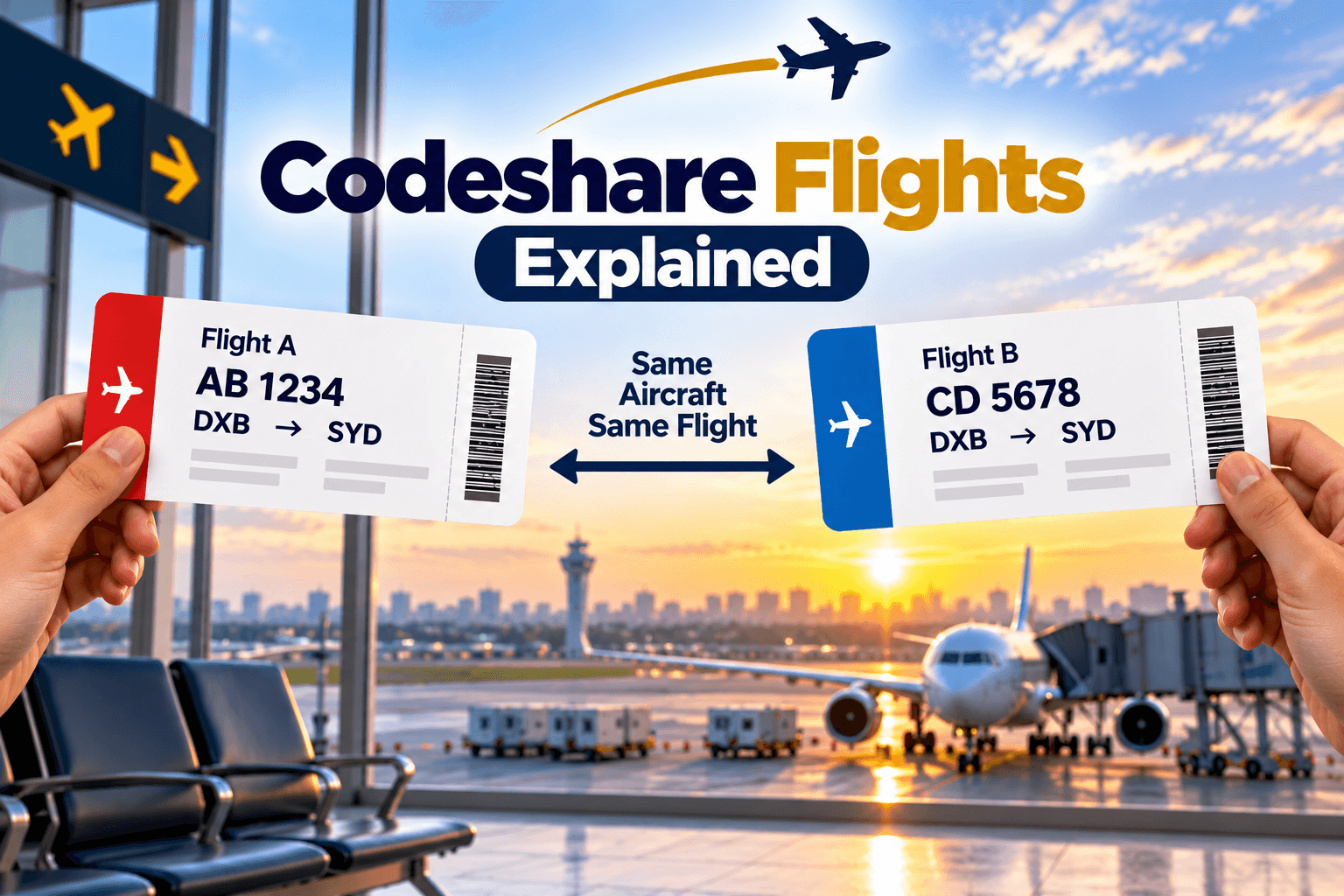
Codeshare Flights Explained
Booked with one airline but flying on another? Learn how codeshare flights work, which airline operates your flight, where to check in, baggage rules and what travellers should check before departure.
18 September 2026
Need help planning your journey?
Contact New Umer Holidays Travel for flights, Umrah services, visa assistance, hotel bookings and travel insurance.