Travel Safety Tips
Travelling abroad? Follow these practical travel safety tips to protect your documents, money, belongings, personal information, and stay prepared for unexpected situations.
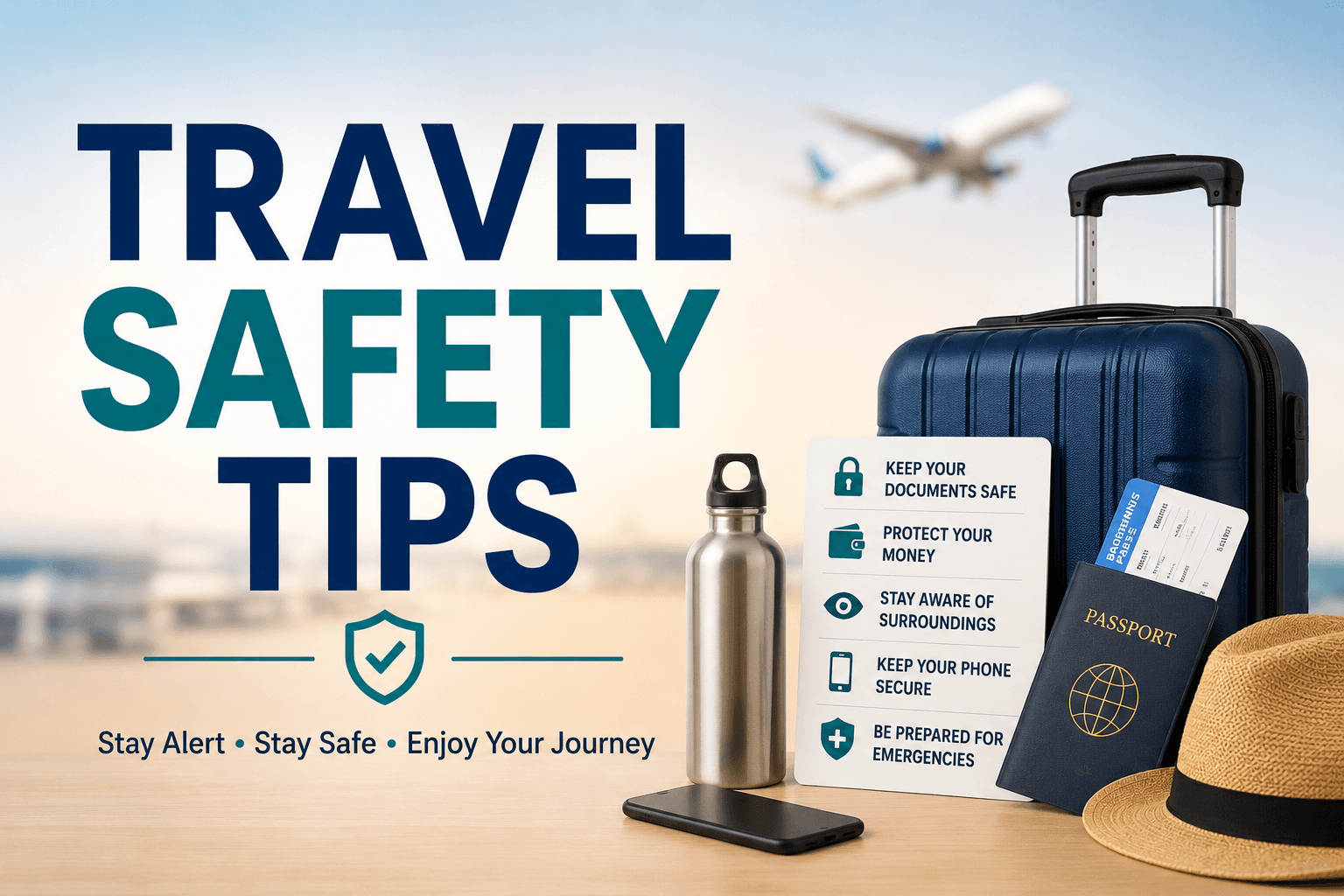
Travel Safety Tips: How to Stay Safe While Travelling
Travelling to a new destination can be an exciting experience, but staying safe should always be part of your travel plans. Whether you are travelling for tourism, business, visiting family, or performing Umrah, a little preparation can help you handle unexpected situations more confidently.
From protecting your passport and money to choosing safe transportation and knowing emergency contacts, these practical travel safety tips can help make your journey safer and more comfortable.
1. Keep Your Passport Safe
Your passport is one of your most important travel documents.
Keep it in a secure location and avoid carrying it unnecessarily when exploring your destination.
Consider keeping a secure digital copy of your passport separately from the original.
2. Keep Important Documents Accessible
Keep important travel documents organized and easy to access.
These may include:
- Passport
- Visa
- Flight booking
- Hotel reservation
- Travel insurance
- Important contact information
- Other required travel documents
Avoid placing essential documents inside checked baggage.
3. Protect Your Money
Avoid keeping all your cash, cards, and financial resources in one place.
Consider carrying only the amount of cash you need and keeping backup payment methods separately.
Never share your PIN or banking credentials with anyone.
4. Be Careful With ATMs
When withdrawing money abroad, use ATMs in secure and well-known locations.
Before completing a transaction, check:
- ATM fees
- Exchange rate
- Transaction amount
- Any additional charges
Cover the keypad when entering your PIN and take your card and cash immediately after the transaction.
5. Stay Aware of Your Surroundings
Pay attention to your surroundings, particularly in crowded tourist areas, public transportation, markets, and unfamiliar locations.
Avoid becoming completely distracted by your phone while walking.
Keep valuable belongings secure and remain aware of people around you.
6. Protect Your Phone and Personal Information
Your smartphone often contains sensitive information such as travel documents, banking apps, emails, and personal messages.
Protect your device with:
- Screen lock
- Strong password or PIN
- Biometric security
- Updated software
- Two-factor authentication where available
Avoid connecting to suspicious networks or entering sensitive information on untrusted websites.
7. Choose Accommodation Carefully
Before booking accommodation, check its location and recent guest reviews.
Consider:
- Area safety
- Access to transportation
- Reception availability
- Building security
- Distance from important locations
When you arrive, familiarize yourself with emergency exits and the hotel's basic safety procedures.
8. Be Careful With Your Belongings
Keep valuable items secure while travelling.
Avoid displaying expensive jewellery, large amounts of cash, or other valuables unnecessarily.
When possible, use hotel safes or other secure storage options for items you do not need to carry.
9. Use Reliable Transportation
Use reputable transportation services whenever possible.
Before entering a taxi or ride-hailing vehicle, verify the vehicle and driver information when the service provides it.
Avoid accepting transportation offers from unknown individuals at airports or other busy locations.
10. Share Your Travel Plans
Let a trusted family member or friend know your basic travel plans.
Consider sharing:
- Flight details
- Accommodation information
- Destination
- Important contact numbers
- Expected return date
This can make it easier for someone to contact you if an unexpected situation occurs.
11. Save Emergency Contacts
Before travelling, save important emergency numbers and contacts.
These may include:
- Local emergency services
- Your embassy or consulate
- Hotel
- Airline
- Travel insurance provider
- Family member
- Travel companion
Keep this information available offline as well.
12. Be Careful With Public Wi-Fi
Public Wi-Fi can be convenient, but avoid using unsecured networks for sensitive activities whenever possible.
Be particularly careful when accessing:
- Banking accounts
- Payment services
- Personal email
- Important documents
Using your mobile data or a trusted network may be a safer option for sensitive activities.
13. Don't Share Too Much Information
Be cautious about sharing personal information with strangers.
Avoid publicly sharing details such as:
- Hotel room number
- Passport information
- Banking details
- Travel documents
- Personal addresses
Be particularly careful when posting travel information publicly on social media.
14. Follow Local Laws and Customs
Every country has its own laws, regulations, and cultural practices.
Before travelling, research the basic rules of your destination.
Pay attention to:
- Dress expectations
- Photography restrictions
- Public behaviour
- Alcohol regulations
- Local laws
- Religious and cultural practices
Respecting local rules can help you avoid unnecessary problems.
15. Keep Copies of Important Documents
Make secure copies of your essential documents.
You may keep copies of:
- Passport
- Visa
- Travel insurance
- Flight tickets
- Hotel bookings
- Identification documents
Store them securely and separately from your original documents.
16. Be Cautious With Food and Water
Food and water safety can vary between destinations.
Follow local guidance regarding drinking water and food hygiene.
When appropriate, choose reputable restaurants and avoid food that appears improperly stored or prepared.
17. Don't Ignore Weather Conditions
Weather can change quickly, particularly when travelling to unfamiliar regions.
Check local weather conditions before travelling to another city or participating in outdoor activities.
Prepare suitable clothing and equipment for the conditions you expect to encounter.
18. Keep Your Phone Charged
A charged phone can be extremely useful during an emergency.
Before leaving your hotel:
- Charge your phone
- Carry a suitable charger
- Consider carrying a power bank
- Save important contacts
- Keep essential travel information available offline
Remember that airlines may have specific rules for carrying and using power banks.
19. Be Careful in Crowded Places
Crowded locations can increase the risk of losing belongings.
Pay extra attention to your:
- Phone
- Wallet
- Passport
- Handbag
- Backpack
- Other valuables
Keep bags closed and positioned securely.
20. Trust Your Instincts
If a situation feels unsafe or uncomfortable, remove yourself from it when possible.
You do not need to stay somewhere simply because you have already made plans.
Move toward a safer, populated location and contact someone you trust if necessary.
Travel Safety Tips for Pakistani Travellers
Pakistani travellers going abroad should prepare for the specific requirements and conditions of their destination.
Before departure:
- Check visa and entry requirements.
- Keep your passport secure.
- Save your airline and accommodation details.
- Arrange appropriate travel insurance.
- Keep emergency contacts.
- Understand local laws and customs.
- Check transportation options.
- Carry suitable payment methods.
- Keep copies of important documents.
For Umrah travellers, also keep your relevant travel documents, accommodation information, and official travel or permit details accessible throughout the journey.
What to Do If Your Passport Is Lost
If your passport is lost or stolen abroad:
- Report the loss to the relevant local authorities when appropriate.
- Contact your country's embassy or consulate.
- Follow their instructions for replacement or emergency travel documentation.
- Contact your airline or travel provider if your travel plans are affected.
- Keep copies of your passport and other documents available to assist with the process.
What to Do in an Emergency
If you face an emergency abroad:
- Move to a safe location if possible.
- Contact local emergency services.
- Contact your embassy or consulate when relevant.
- Inform a trusted family member or companion.
- Contact your travel insurance provider if the situation is covered.
- Follow instructions from local authorities.
Keep calm and focus on getting to a safe location first.
Travel Safety Checklist
Before travelling, check:
- ✅ Passport is secure
- ✅ Visa is valid
- ✅ Important documents are organized
- ✅ Digital document copies are available
- ✅ Travel insurance is arranged
- ✅ Emergency contacts are saved
- ✅ Accommodation is confirmed
- ✅ Transportation is planned
- ✅ Payment methods are ready
- ✅ Phone is secured and charged
- ✅ Local laws and customs are understood
- ✅ Weather conditions are checked
- ✅ Family or trusted contacts know your basic itinerary
Final Thoughts
Travel safety starts before you leave home. Preparing your documents, protecting your money, securing your belongings, understanding local rules, and keeping emergency contacts available can make international travel much easier.
You cannot predict every situation during a journey, but good preparation can help you respond calmly when something unexpected happens.
Stay aware, travel prepared, and enjoy your journey safely.
Share this article
Keep Exploring
Related Articles
Riyadh Travel Guide for Pakistani Travellers
Planning a trip to Riyadh from Pakistan? Discover the best places to visit, visa information, flight options, accommodation, local transport, food and essential travel tips for a smooth journey.
2 October 2026
Saudi Arabia Travel Guide for Pakistani Travellers
Planning a trip to Saudi Arabia from Pakistan? Discover visa requirements, popular destinations, flights, accommodation, transportation, travel costs and essential tips for a smooth journey.
2 October 2026
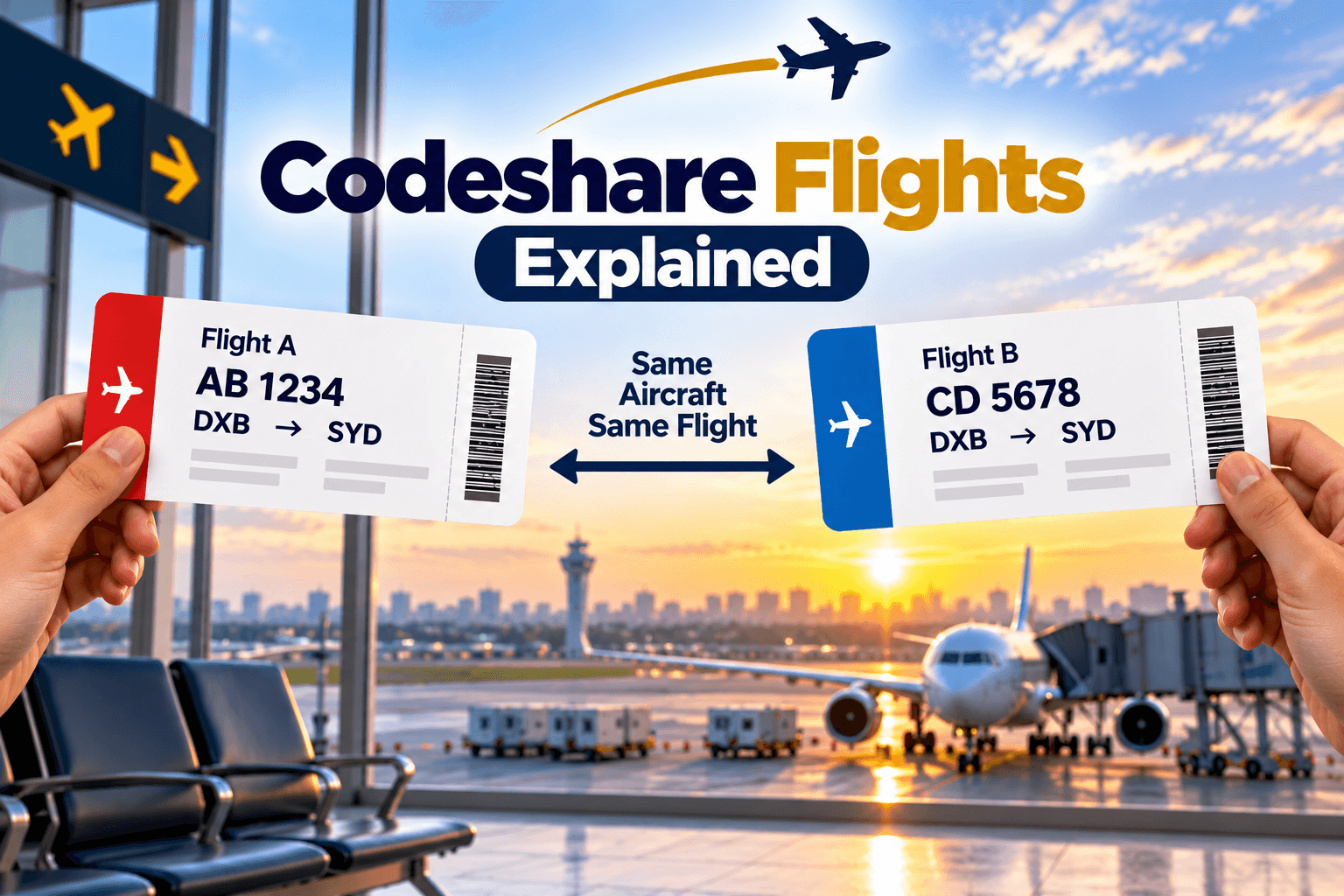
Codeshare Flights Explained
Booked with one airline but flying on another? Learn how codeshare flights work, which airline operates your flight, where to check in, baggage rules and what travellers should check before departure.
18 September 2026
Need help planning your journey?
Contact New Umer Holidays Travel for flights, Umrah services, visa assistance, hotel bookings and travel insurance.