How to Choose the Right Travel Insurance for International Travel
Discover how to choose suitable travel insurance by comparing coverage, benefits, exclusions, policy limits, and your international travel needs.
Bilkul. Since your previous blogs already cover what travel insurance is, why it matters, and Schengen requirements, this article should focus specifically on how to compare and choose a policy without repeating those topics.
How to Choose the Right Travel Insurance for International Travel
Choosing the right travel insurance is an important part of planning an international trip. With different policies, coverage limits, exclusions, and prices available, it can be difficult to know which option is suitable for your journey.
The cheapest policy is not always the best choice. A good travel insurance policy should provide coverage that matches your destination, trip duration, activities, and personal requirements.
This guide explains the key factors to consider when choosing travel insurance for international travel.
1. Understand Your Travel Needs
Before comparing insurance policies, consider the type of trip you are planning.
Ask yourself:
- Where are you travelling?
- How long will you stay?
- Are you visiting one country or multiple destinations?
- Are you travelling alone or with family?
- Are you travelling for tourism, business, study, or another purpose?
- Will you participate in any special activities?
Your answers can help you identify the type and level of coverage you may need.
2. Check Medical Coverage
Medical coverage should be one of the first things you compare when reviewing travel insurance.
An unexpected illness or accident abroad can result in significant expenses, particularly in countries where healthcare costs are high.
Check:
- Maximum medical coverage
- Emergency treatment
- Hospital expenses
- Doctor or medical consultation
- Emergency transportation
- Medical evacuation
- Repatriation
Do not compare policies based only on the premium. A slightly more expensive policy may offer substantially better protection.
3. Check Emergency Medical Evacuation
Emergency medical evacuation can be particularly important when travelling internationally.
If you experience a serious medical emergency and need to be moved to another medical facility or returned home, the associated costs can be significant.
Check whether your policy provides emergency medical evacuation and understand its limits and conditions.
4. Consider Your Destination
The right insurance policy depends partly on where you are travelling.
Healthcare costs, local conditions, visa requirements, and available medical facilities can vary significantly from one country to another.
Before purchasing insurance, check whether your destination is included in the policy's geographical coverage.
If you are travelling to multiple countries, make sure all destinations on your itinerary are covered.
5. Check Visa Insurance Requirements
Some countries and visa categories require travellers to have insurance that meets specific conditions.
For example, Schengen visa applicants may need travel medical insurance that meets particular requirements, including minimum coverage and geographical validity.
If you are purchasing insurance for a visa application, don't assume that every travel insurance policy will be accepted.
Check the applicable requirements first and make sure your insurance certificate clearly demonstrates the required coverage.
6. Review the Coverage Limits
Every insurance policy has limits on how much it will pay for different types of covered expenses.
Look beyond the headline coverage amount and check the limits for individual benefits.
For example, a policy may have separate limits for:
- Medical treatment
- Emergency evacuation
- Baggage
- Travel delays
- Trip cancellation
- Personal liability
Understanding these limits helps you compare policies more accurately.
7. Read the Policy Exclusions
Exclusions are situations that your insurance policy does not cover.
This is one of the most important sections to read before purchasing travel insurance.
Exclusions can vary between policies and may relate to:
- Pre-existing medical conditions
- Certain high-risk activities
- Alcohol- or drug-related incidents
- Unauthorised expenses
- Specific personal belongings
- Certain destinations
- Events that occurred before the policy began
Don't choose a policy until you understand its major exclusions.
8. Check Coverage for Pre-Existing Conditions
If you have an existing medical condition, pay particular attention to how the policy handles it.
Some travel insurance policies may exclude pre-existing conditions, while others may provide limited coverage subject to specific requirements.
Read the policy wording carefully and provide accurate information when completing your insurance application.
Never assume that an existing medical condition will automatically be covered.
9. Compare Trip Cancellation and Interruption Benefits
Travel plans can sometimes change unexpectedly.
Depending on the policy, travel insurance may provide benefits for eligible trip cancellation or interruption caused by specified covered events.
Before purchasing a policy, check:
- What cancellation reasons are covered
- What interruption situations are covered
- Maximum reimbursement
- Non-refundable expenses covered
- Required documentation
- Exclusions and conditions
This can help you understand what financial protection you may actually receive if your plans change.
10. Consider Travel Delay Coverage
Flight delays can create additional costs, particularly when they result in overnight stays or missed connections.
Some travel insurance policies provide benefits for eligible expenses caused by covered delays.
When comparing policies, check:
- Minimum delay period
- Maximum benefit
- Eligible expenses
- Accommodation coverage
- Meal or transportation benefits
- Documentation required for a claim
This can help you determine whether the policy provides meaningful protection for your travel plans.
11. Check Baggage Coverage
Baggage coverage can be useful if your luggage is lost, stolen, or delayed during your trip.
However, baggage protection often comes with specific limits and exclusions.
Check:
- Maximum baggage benefit
- Per-item limits
- Coverage for valuables
- Delayed baggage benefits
- Required documentation
- Excluded items
If you are carrying expensive electronics, jewellery, or other valuable belongings, pay particular attention to the policy's limits.
12. Check Personal Liability Coverage
Some travel insurance policies include personal liability protection for certain situations during your trip.
This may provide coverage if you become legally responsible for certain eligible injury or property damage claims.
If personal liability is important to you, compare the coverage amount and exclusions between policies.
13. Choose the Right Policy Duration
Your insurance should cover the period required for your trip.
Before purchasing, check:
- Policy start date
- Policy end date
- Total number of travel days
- Whether the policy covers the entire itinerary
- Extension options
If you are travelling for a long period, make sure the policy remains valid for the complete duration of your journey.
14. Single-Trip vs Multi-Trip Insurance
Frequent travellers may want to compare single-trip and multi-trip policies.
A single-trip policy is generally designed for one specific journey.
A multi-trip policy may cover multiple journeys within a defined period, subject to its terms and maximum trip duration.
If you travel internationally several times a year, compare the total cost and coverage of both options before making a decision.
15. Compare the Deductible or Excess
Some insurance policies include a deductible or excess.
This is the amount you may have to pay yourself before certain insurance benefits apply.
For example, if a policy has a deductible, part of an eligible expense may need to be paid by you before the insurer covers the remaining amount according to the policy terms.
A lower premium may sometimes come with a higher deductible, so consider both factors when comparing policies.
16. Understand the Claim Process
A good insurance policy should have a clear and practical claim process.
Before purchasing, find out:
- How claims are submitted
- What documents are required
- How to contact the insurer
- Whether emergency assistance is available 24/7
- How claims are handled while you are abroad
- How long the process may take
Keep receipts, reports, booking confirmations, and other relevant documents if you need to make a claim.
17. Check the Insurer's Assistance Services
Emergency assistance can be valuable when you are in an unfamiliar country.
Check whether your policy provides access to assistance services and whether support is available during emergencies.
Save the insurer's emergency contact number and policy information on your phone before travelling.
18. Compare Policies Instead of Choosing the Cheapest
Price is important, but it should not be the only factor.
When comparing policies, look at the complete package:
Premium + Coverage + Limits + Exclusions + Assistance + Claim Process
A very cheap policy may have limited medical coverage, more exclusions, or lower benefit limits.
Instead of asking only, "Which policy is cheapest?", ask:
"Which policy provides suitable coverage for my trip at a reasonable price?"
19. Consider Your Activities
Your travel activities can also affect the type of insurance you need.
If you plan to participate in activities such as skiing, hiking, diving, adventure sports, or other higher-risk activities, check whether they are covered.
Some policies may exclude certain activities or require additional coverage.
Never assume that a standard travel insurance policy automatically covers every activity.
20. Make Sure Your Information Is Accurate
When purchasing travel insurance, provide accurate information about your trip and personal circumstances.
This may include:
- Travel dates
- Destination
- Trip purpose
- Traveller information
- Existing medical conditions, where required
- Planned activities
Incorrect or incomplete information can create problems if you later need to make a claim.
21. Keep Your Policy Documents Accessible
After purchasing travel insurance, keep your documents somewhere safe and accessible.
Save digital copies of:
- Insurance certificate
- Policy number
- Emergency contact details
- Coverage information
- Claim instructions
- Important policy terms
You may also want to keep a printed copy as a backup.
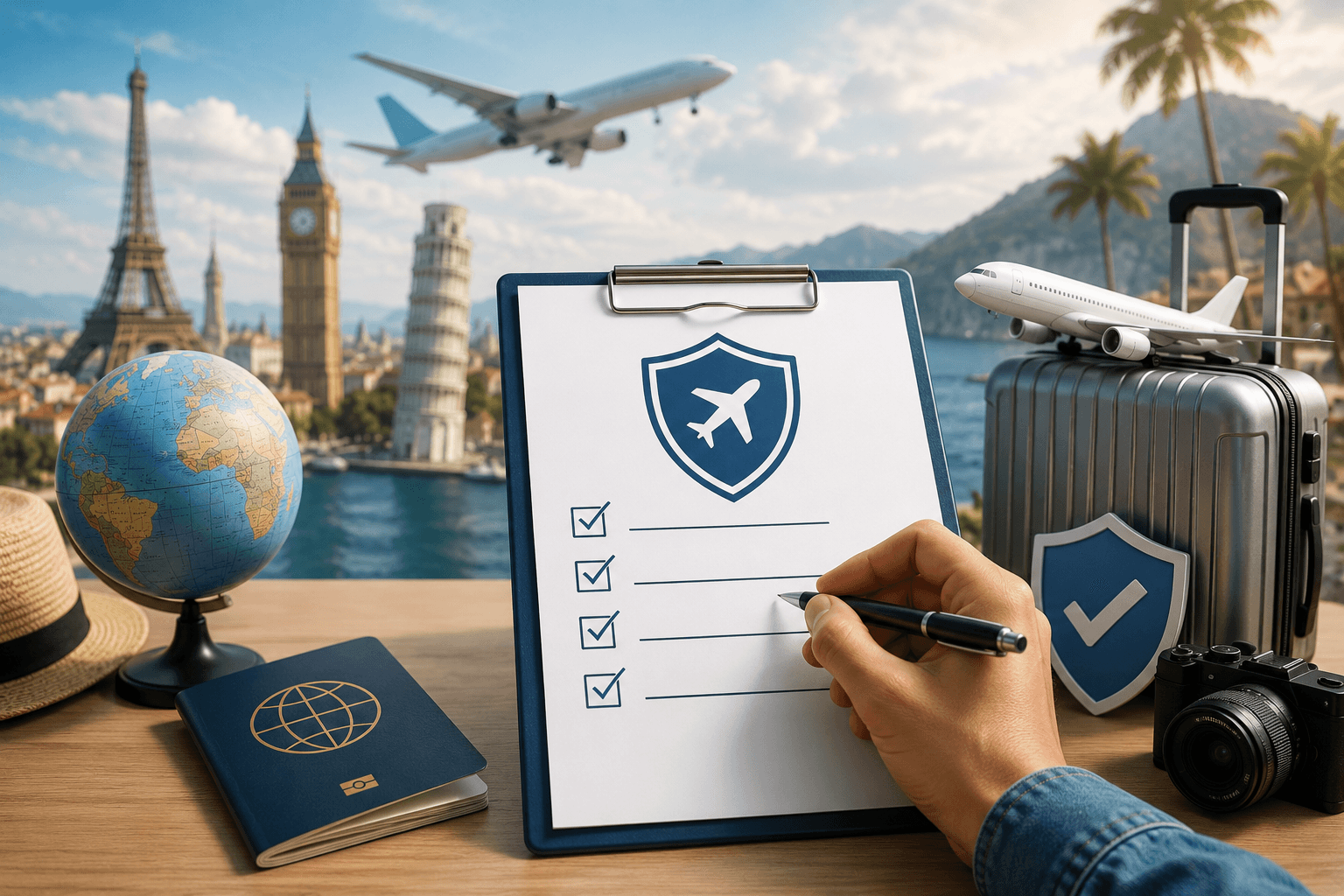
22. Travel Insurance Comparison Checklist
Before purchasing a policy, use this quick checklist:
✓ Destination is covered
✓ Entire travel period is covered
✓ Medical coverage is sufficient
✓ Emergency medical evacuation is included where needed
✓ Repatriation coverage is included where applicable
✓ Visa requirements are satisfied
✓ Trip cancellation benefits are understood
✓ Trip interruption benefits are understood
✓ Travel delay coverage is suitable
✓ Baggage coverage meets your needs
✓ Policy exclusions have been reviewed
✓ Deductible or excess is understood
✓ Claim process is clear
✓ Emergency assistance contact is available
✓ Policy documents are saved
Final Thoughts
Choosing the right travel insurance is about finding coverage that matches your actual travel needs rather than simply selecting the cheapest available option.
Before purchasing, compare medical protection, emergency assistance, destination coverage, policy limits, exclusions, cancellation benefits, baggage protection, and the claim process.
For Pakistani travellers, it is also important to check whether the destination or visa application has specific insurance requirements.
Take time to read the policy details before travelling and keep your insurance documents accessible throughout your journey.
Planning your next international trip from Pakistan? Compare your travel insurance options carefully and choose coverage that fits your destination, travel dates, and personal requirements.
Share this article
Keep Exploring
Related Articles
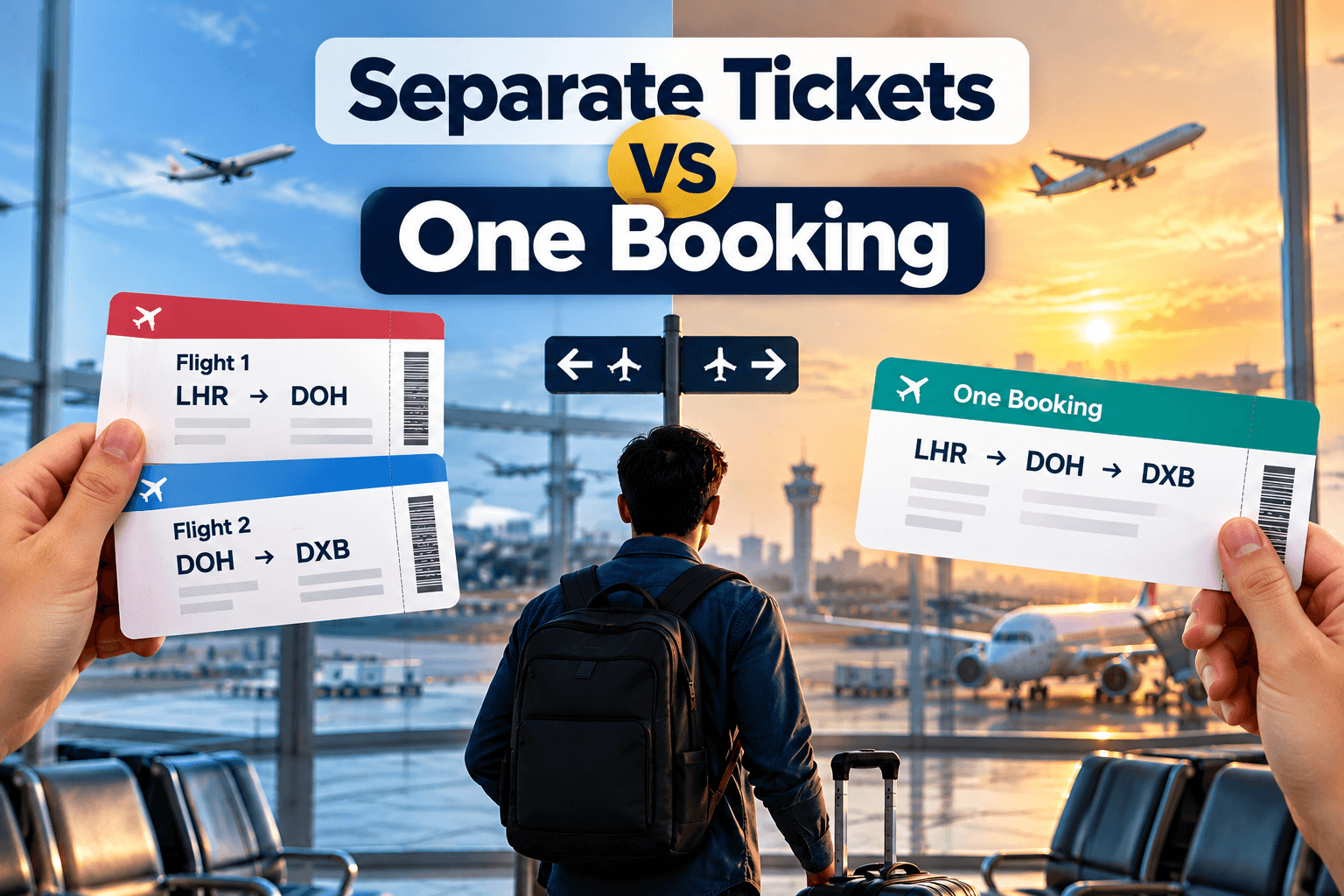
Separate Tickets vs One Booking
Planning a connecting journey? Learn the difference between separate tickets and one booking, how missed connections are handled, and what Pakistani travellers should know before booking.
18 September 2026
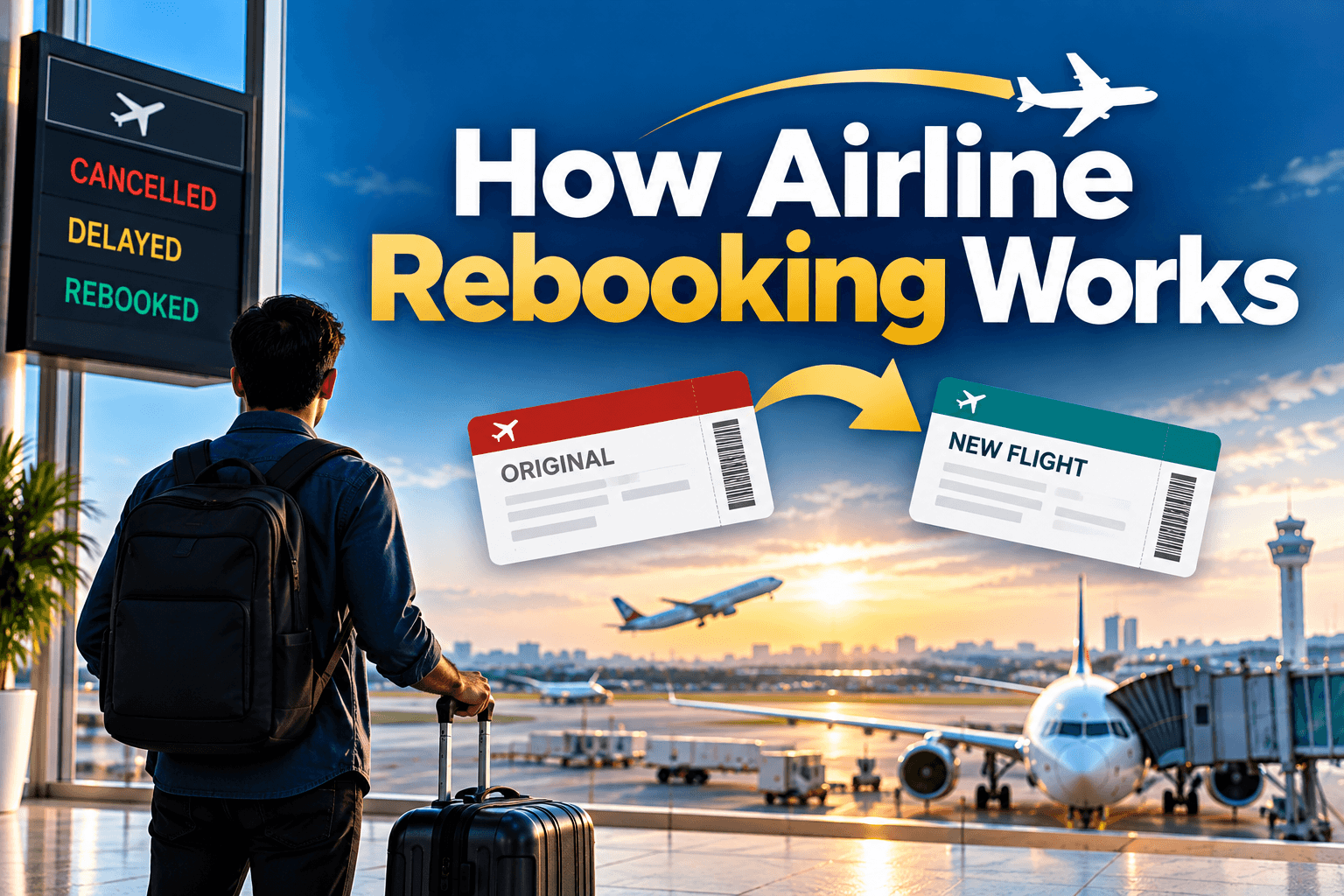
How Airline Rebooking Works
Flight disrupted or cancelled? Learn how airline rebooking works, when you may be rebooked, what happens to connecting flights, possible fees, and what passengers should do next.
18 September 2026

No-Show on a Flight Ticket Explained
Missed your flight or failed to cancel before departure? Learn what “no-show” means, what can happen to your ticket, onward flights, refunds and rebooking options.
17 September 2026
Need help planning your journey?
Contact New Umer Holidays Travel for flights, Umrah services, visa assistance, hotel bookings and travel insurance.