Single Entry vs Multiple Entry Visa
Single entry and multiple entry visas differ mainly in how many times you can enter a country during the visa's validity. Learn how each visa type works and which may suit your travel plans.
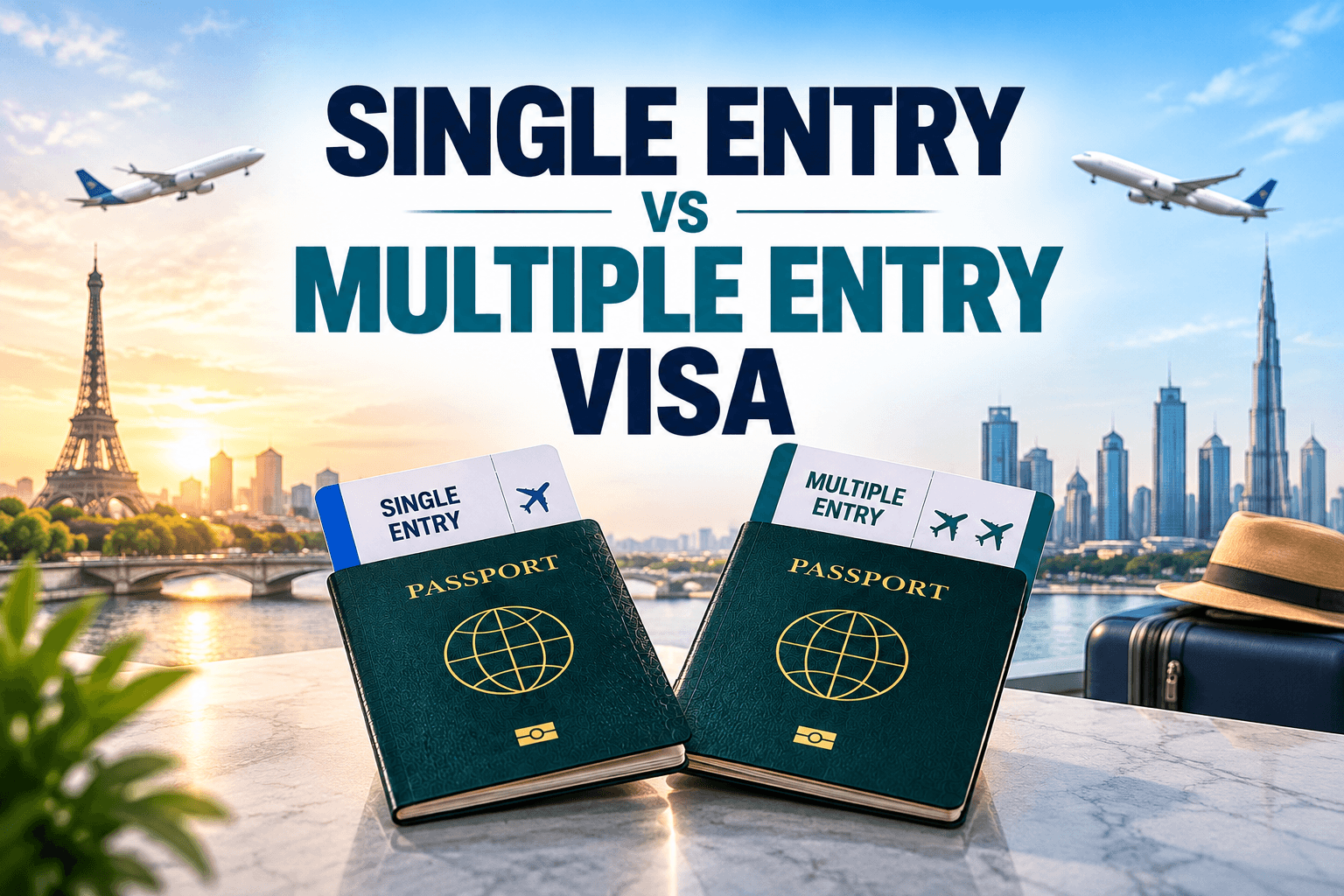
Single Entry vs Multiple Entry Visa
When applying for an international visa, one important detail to understand is whether the visa allows you to enter the destination country once or multiple times.
Depending on the visa category and destination, you may receive a single entry visa or a multiple entry visa. Choosing the appropriate type can be important if you plan to travel to a country more than once during the validity of your visa.
For Pakistani travellers, understanding the difference between these visa types can help avoid confusion when planning international travel.
What Is a Single Entry Visa?
A single entry visa generally allows a traveller to enter a country one time during the visa's validity or according to the conditions stated on the visa.
Once you enter the country and subsequently leave, the visa may no longer be valid for another entry, even if the visa's printed expiry date has not yet passed.
For example, if you have a single entry visa and travel to the destination country, leave it, and later want to return, you may need to apply for another visa unless another valid entry permission applies.
What Is a Multiple Entry Visa?
A multiple entry visa generally allows the holder to enter and leave the destination country multiple times during the visa's validity, subject to the conditions of the visa.
This can be useful for travellers who expect to visit the same country more than once.
For example, someone travelling for business may need to enter a country several times for meetings. A multiple entry visa may be more convenient if the visa authority grants that type of permission.
However, a multiple entry visa does not necessarily mean unlimited stays. The visa may have specific conditions regarding the duration of each stay or the total period permitted.
Single Entry vs Multiple Entry: What's the Difference?
The main difference is the number of permitted entries.
| Feature | Single Entry Visa | Multiple Entry Visa | | --------------------- | ----------------------------- | -------------------------------- | | Number of entries | Usually one | Multiple | | Leaving and returning | Generally requires a new visa | May be permitted during validity | | Suitable for | One planned visit | Multiple visits | | Flexibility | Lower | Higher | | Cost | Depends on destination | Depends on destination | | Approval | Subject to visa requirements | Subject to visa requirements |
The exact rules depend on the country and visa category.
Does a Multiple Entry Visa Mean You Can Stay Longer?
No.
This is a common misunderstanding.
A multiple entry visa generally concerns how many times you can enter, while the permitted duration of stay determines how long you can remain during each visit.
For example, a visa could allow multiple entries but limit the length of each stay.
Always check the conditions printed on your visa and the rules associated with your visa category.
What Does Visa Validity Mean?
Visa validity refers to the period during which the visa can generally be used for entry, subject to its conditions.
Visa validity and permitted stay are not necessarily the same thing.
For example, a visa may be valid for a longer period while allowing only a specific duration of stay per visit.
This distinction is particularly important for multiple entry visas.
When Is a Single Entry Visa Suitable?
A single entry visa may be suitable if you are planning one straightforward trip.
For example, you may be travelling:
- For a single holiday
- To visit family or friends
- For one business trip
- For a specific event
- For another temporary purpose
If you do not expect to return to the destination during the visa period, a single entry visa may be sufficient, provided that it meets your travel requirements.
When Is a Multiple Entry Visa Useful?
A multiple entry visa may be useful if you expect to travel to the same country more than once.
It can be particularly convenient for:
- Frequent business travellers
- People visiting family regularly
- Travellers with multiple planned trips
- People whose itinerary requires leaving and returning
- Travellers with regional travel plans, where permitted
Whether you qualify for a multiple entry visa depends on the destination country's rules and your individual circumstances.
Can You Choose Between Single and Multiple Entry?
Not always.
Some visa applications may allow applicants to request a preferred entry type, but the final decision is generally made according to the destination country's immigration rules and the applicant's circumstances.
Simply requesting a multiple entry visa does not guarantee that one will be granted.
The visa authority may issue a different type or impose different conditions.
Does a Multiple Entry Visa Cost More?
It depends on the destination country and visa category.
Some visa systems may have different fees for different visa types, while others may use a fee structure that does not depend solely on the number of entries.
Always check the current official fee information for the specific visa you are applying for.
Can a Single Entry Visa Be Converted to a Multiple Entry Visa?
Usually, you should not assume that an existing single entry visa can simply be converted into a multiple entry visa.
The process depends entirely on the destination country's immigration rules.
If you need multiple entries, you may need to request the appropriate visa type when submitting your application or apply for a different visa according to the applicable rules.
What Happens If You Leave With a Single Entry Visa?
If your visa permits only one entry, leaving the destination country generally uses up that entry.
You may not be able to return using the same visa, even if its validity date has not expired.
Before leaving the country, check your visa conditions and make sure you understand whether you have any remaining entry rights.
What If You Have a Multiple Entry Visa?
If your visa allows multiple entries, you may be able to leave and return during the visa's validity period.
However, every entry remains subject to the visa conditions and border-control requirements.
Having a multiple entry visa does not guarantee admission every time you arrive at the border.
Can You Travel to Other Countries With a Multiple Entry Visa?
This depends on the destination and visa arrangement.
A multiple entry visa generally relates to repeated entry into the country or territory that issued it. It does not automatically give you permission to enter unrelated countries.
Some regional visa systems may have special rules that allow travel between participating countries or territories.
Always understand exactly where your visa is valid before planning your trip.
Common Mistakes to Avoid
1. Confusing Validity With Duration of Stay
A visa can be valid for a particular period while allowing a different maximum stay.
2. Assuming Multiple Entry Means Unlimited Stay
Multiple entries do not necessarily mean unlimited time in the country.
3. Leaving and Assuming You Can Return
If you have a single entry visa, leaving the country may mean you cannot use the same visa to return.
4. Ignoring Visa Conditions
Always read the information and conditions associated with your visa.
5. Assuming You Will Automatically Receive Multiple Entry
Requesting multiple entry does not guarantee that the visa authority will grant it.
6. Planning Travel Without Checking Entry Requirements
Visa rules can differ depending on nationality, destination, passport, and visa category.
How to Check Your Visa Entry Type
When you receive your visa, carefully review the information shown on it or in the official visa documentation.
Look for information indicating:
- Number of entries
- Visa validity
- Permitted duration of stay
- Visa category
- Any special conditions
If you are unsure about what a particular entry condition means, verify it with the relevant embassy, consulate, immigration authority, or official visa service.
Which Visa Is Better for Pakistani Travellers?
There is no universally better option.
The right visa depends on your actual travel plans.
A single entry visa may be appropriate if you are making one visit and do not expect to return during the visa's validity.
A multiple entry visa may be more convenient if you expect to make several trips or need to leave and return during the permitted period.
The most important thing is to apply for the visa category that accurately matches your circumstances and intended travel.
Final Checklist
Before applying, consider:
- How many times do you plan to visit?
- Will you leave and return during your trip?
- How long do you need to stay?
- Does the visa category allow multiple entries?
- What are the current visa conditions?
- Are there different fees for entry types?
- Do you meet the eligibility requirements for the visa you want?
Final Thoughts
The difference between a single entry and multiple entry visa is primarily the number of times you are permitted to enter the destination country under the visa's conditions.
A single entry visa is generally designed for one entry, while a multiple entry visa can allow repeated entries during its validity. However, entry limits, stay durations, validity periods, and other conditions vary between countries and visa categories.
Before submitting your application, carefully check the current requirements and choose the visa type that matches your genuine travel plans.
If you are travelling from Pakistan and need help understanding visa requirements, documentation, or the visa filing process, professional visa assistance can help you prepare your application according to the relevant requirements.
Share this article
Keep Exploring
Related Articles
Visa Cover Letter: What Should It Include?
A well-prepared visa cover letter can clearly explain your travel purpose, itinerary, finances, and supporting documents. Learn what to include and how to write an effective cover letter.
7 September 2026
Bank Statement Requirements for Visa Applications
Bank statements are an important part of many visa applications. Learn what visa officers may look for, how to prepare your statements, and common financial-document mistakes to avoid.
7 September 2026
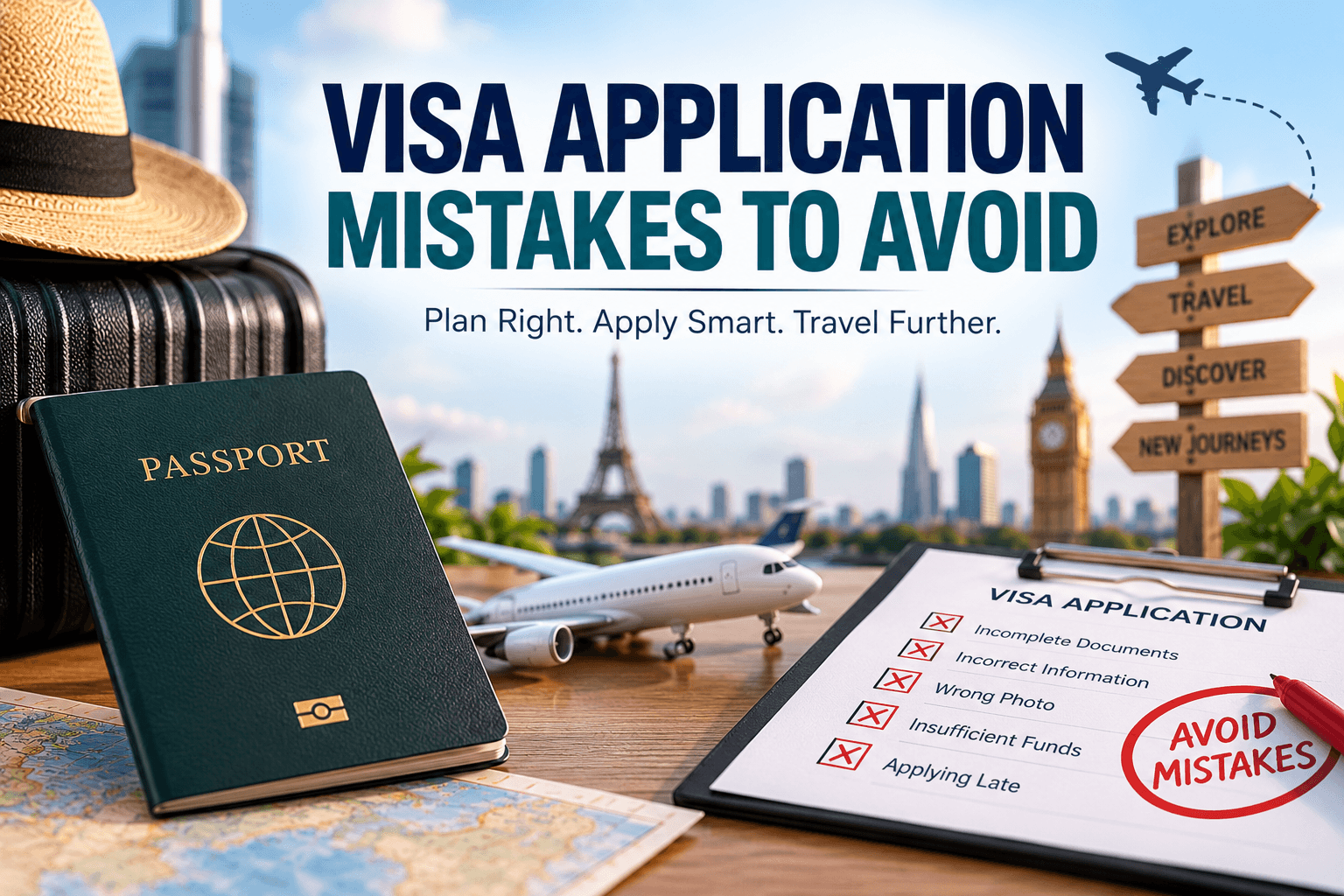
Visa Application Mistakes to Avoid
Visa applications can be stressful, especially when a small mistake can lead to delays or even rejection. Learn the most common visa application mistakes and how to avoid them before submitting your application.
7 September 2026
Need help planning your journey?
Contact New Umer Holidays Travel for flights, Umrah services, visa assistance, hotel bookings and travel insurance.