Transit Flights Explained
Confused about transit flights? Learn how airport transit works, what to do during a layover, baggage rules, transit visas, and tips for a smooth journey.
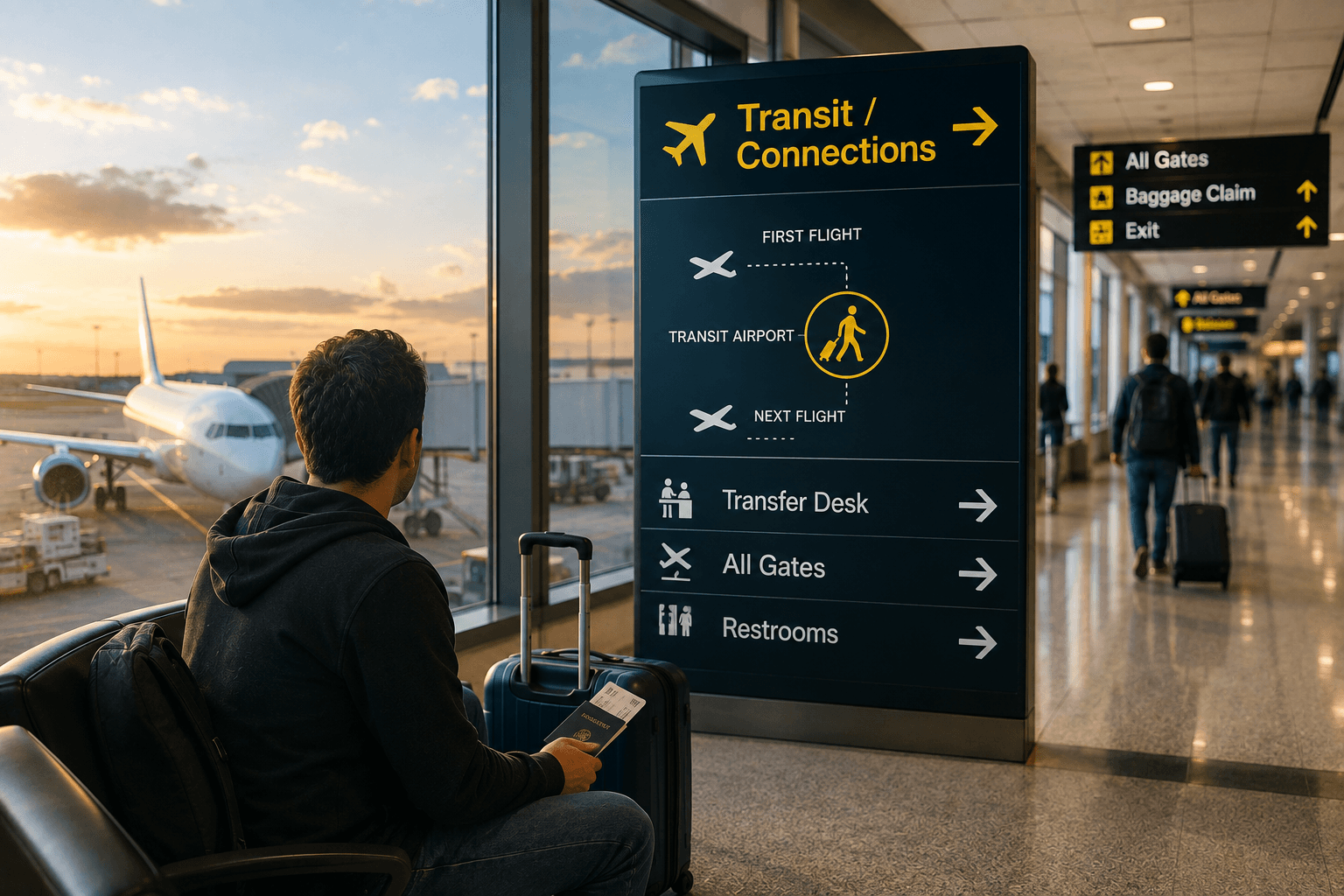
Transit Flights Explained: What Is Transit and How Does It Work?
When booking an international flight, you may come across terms such as transit, layover, connecting flight, and stopover. These terms can be confusing, especially for first-time international travellers.
A transit flight usually involves travelling through another airport before reaching your final destination. Understanding how transit works can help you choose the right flight, prepare your documents, and avoid problems during your journey.
What Is a Transit Flight?
A transit flight is a journey where you travel through an intermediate airport before continuing to your final destination.
For example:
Islamabad → Doha → London
In this example, Doha is the transit airport. You arrive in Doha, spend some time waiting for your next flight, and then continue to London.
Your transit may involve changing aircraft, depending on your itinerary.
What Is a Transit Airport?
A transit airport is the airport where you stop between your departure point and final destination.
During transit, you may need to:
- Leave the aircraft
- Walk to another terminal or gate
- Go through security screening
- Check your next flight
- Wait for your connecting flight
- Board another aircraft
The exact process depends on the airport, airline, route, and whether your flights are booked under one ticket.
Transit vs Connecting Flight
The terms transit flight and connecting flight are often used interchangeably, but there can be a slight difference in how travellers use them.
A connecting flight normally means you change from one flight to another to reach your final destination.
A transit refers more broadly to passing through an intermediate airport or country during your journey.
For example:
Karachi → Dubai → Paris
Dubai is your transit point, while the Dubai-to-Paris flight is your connecting flight.
What Happens During Transit?
When you arrive at a transit airport, follow the signs for:
Transfer / Connections / Transit
You may then need to:
- Leave your first aircraft.
- Check the airport screens for your next flight.
- Follow the transfer signs.
- Pass through security if required.
- Go to your departure gate.
- Wait for boarding.
- Board your connecting flight.
The process can vary considerably between airports.
Do You Have to Go Through Immigration During Transit?
Not always.
If you remain within the international transit area, you may not need to pass through the country's immigration control.
However, you may need to clear immigration if:
- Your connection requires entering the country.
- You need to collect and re-check your baggage.
- Your flights are on separate tickets.
- You need to change terminals in a way that requires entry into the country.
- The airport's transit procedure requires it.
Always check the specific transit requirements for your route.
Do You Need a Transit Visa?
A transit visa is a visa that may be required when passing through a country on the way to another destination.
Whether you need one depends on factors such as:
- Your nationality
- Transit country
- Airport
- Connecting itinerary
- Whether you remain in the transit area
- Whether you need to pass immigration
- Your final destination and visa status
Do not assume that every transit passenger needs a transit visa or that every passenger is exempt.
Check the current requirements for your specific itinerary before booking.
What Happens to Your Baggage During Transit?
Your baggage arrangements depend on how your flights were booked and the airline's baggage policy.
Flights on One Ticket
When your entire journey is booked under one reservation, checked baggage is often tagged through to your final destination.
However, this is not guaranteed for every itinerary.
Always check the baggage tag and confirm with the airline.
Separate Tickets
If you booked separate tickets, you may need to:
- Collect your baggage.
- Pass through immigration.
- Check in again.
- Pay attention to a new baggage allowance.
- Re-check your luggage for the next flight.
Separate tickets can make transit more complicated, so allow plenty of time between flights.
How Long Should a Transit Time Be?
There is no single ideal transit time.
A very short connection can be risky because you may need to walk a long distance, pass security, change terminals, or deal with delays.
A very long connection can make your journey tiring.
When choosing a connecting flight, consider:
- Airport size
- Terminal changes
- Security procedures
- Immigration requirements
- Airline minimum connection time
- Whether you need to collect baggage
For international journeys, a comfortable connection can often be more valuable than choosing the absolute shortest layover.
What Is a Layover?
A layover is the period you spend at a transit airport between flights.
For example:
Islamabad → Doha 4-hour layover Doha → London
The four hours between your flights is your layover.
During a layover, you may remain inside the airport until your next flight boards.
Can You Leave the Airport During Transit?
Sometimes, but it depends on the transit country's immigration and visa rules.
If you want to leave the airport during a long layover, you may need permission to enter the country.
Before leaving the airport, check whether you require:
- A transit visa
- A visitor visa
- Visa-free entry
- Other travel authorization
Never leave the airport during transit without confirming that you are legally permitted to enter the country.
What If Your Connecting Flight Is Delayed?
If your flights are booked under one reservation and your first flight is delayed, contact the airline or follow the instructions provided at the transit airport.
The airline may arrange an alternative connection depending on the circumstances and applicable ticket conditions.
If your flights were booked separately, you may have fewer protections and could be responsible for arranging a replacement flight.
This is one reason why booking connecting flights under a single reservation can be preferable when possible.
What If You Miss Your Connecting Flight?
If you miss your connection because of a delay or disruption, speak to the airline immediately.
Keep your:
- Passport
- Boarding passes
- Booking confirmation
- Baggage information
available.
If the connection is part of the same booking, the airline may be able to rebook you on another available flight according to its applicable policies.
Tips for a Smooth Transit
Follow these simple tips before and during your journey:
Check Your Transit Airport
Find out which airport and terminal you'll be using.
Check Visa Requirements
Confirm whether your nationality requires a transit or entry visa.
Check Your Baggage
Ask whether your luggage will be transferred automatically or whether you need to collect it.
Choose Enough Transit Time
Avoid extremely short connections when possible, particularly at large international airports.
Keep Important Documents Accessible
Keep your passport, boarding passes, visas, and booking information in your cabin baggage.
Follow Airport Signs
Look for signs such as:
- Transfer
- Connections
- Transit
- Departures
- Gates
Check Your Gate
Your connecting gate can change, so check the airport screens regularly.
Transit Tips for Pakistani Travellers
If you're travelling internationally from Pakistan, pay particular attention to transit visa requirements.
Before purchasing a ticket, check:
- Whether you need a transit visa.
- Whether you can remain airside.
- Whether your baggage is checked through.
- Whether you need to change airports or terminals.
- Whether your connecting flights are under one booking.
- Whether your passport and destination visa meet the requirements.
A cheap ticket isn't necessarily the best option if its transit requirements are complicated.
Is a Transit Flight Better Than a Direct Flight?
It depends on your priorities.
A transit flight can be a good choice if:
- It is significantly cheaper.
- There is no direct flight available.
- You want more departure-time options.
- The connection is convenient.
A direct flight may be better if:
- You want to save time.
- You're travelling with children.
- You're travelling with elderly passengers.
- You want to reduce the risk of missed connections.
- You prefer a simpler journey.
Final Thoughts
Transit flights are a normal part of international travel and can provide affordable and convenient ways to reach destinations that don't have direct flights.
The most important things to check before booking are your transit visa requirements, baggage arrangements, connection time, terminal changes, and ticket conditions.
With proper planning, even a long transit can be a comfortable and straightforward part of your journey.
If you need help finding international flights, comparing transit options, or planning your journey from Pakistan, New Umer Holidays can assist you with flight booking and travel arrangements.
Share this article
Keep Exploring
Related Articles

Multi-City Flights
Planning to visit multiple cities? Learn how multi-city flights work, their benefits, booking process, and important tips for travellers.
24 September 2026
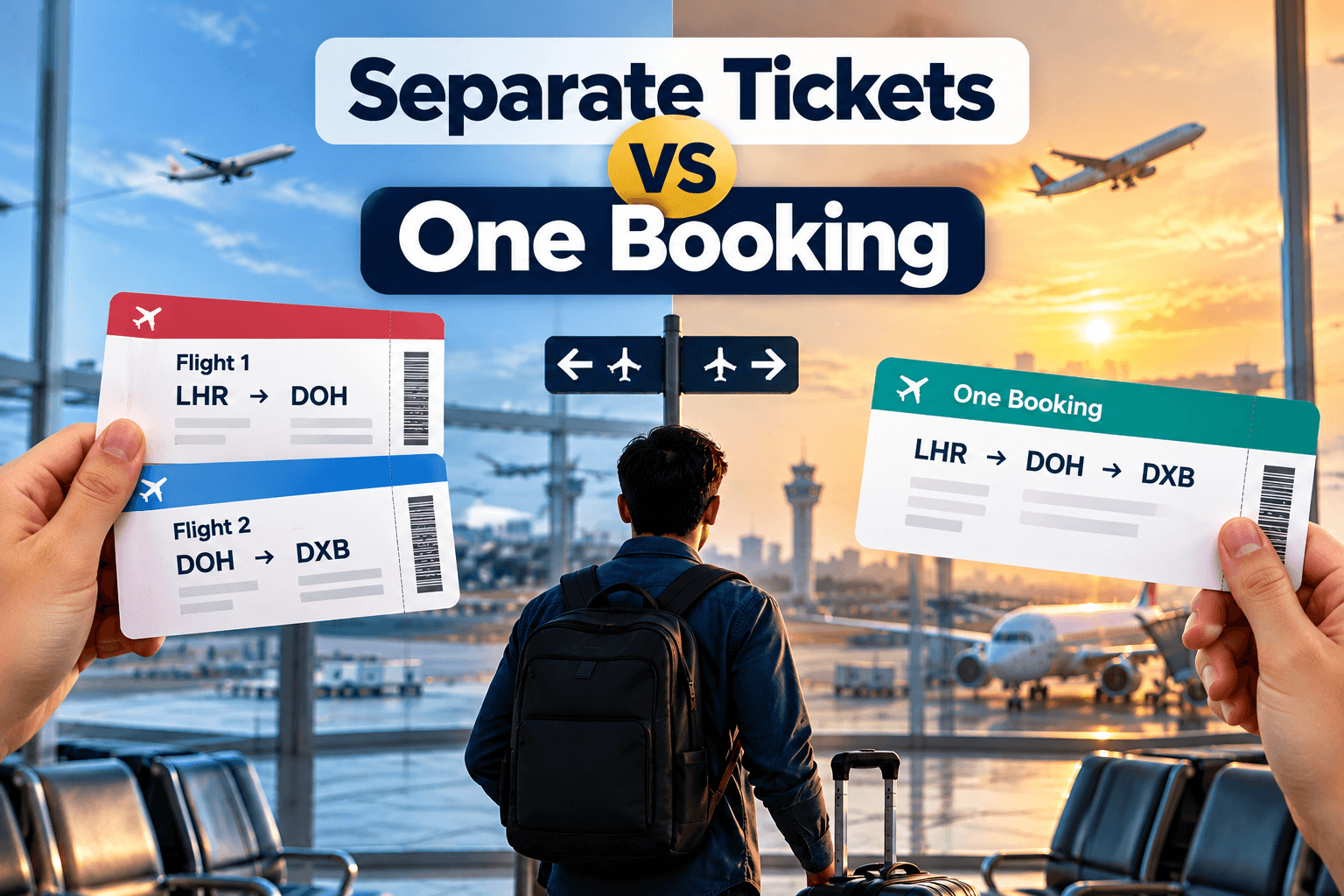
Separate Tickets vs One Booking
Planning a connecting journey? Learn the difference between separate tickets and one booking, how missed connections are handled, and what Pakistani travellers should know before booking.
18 September 2026
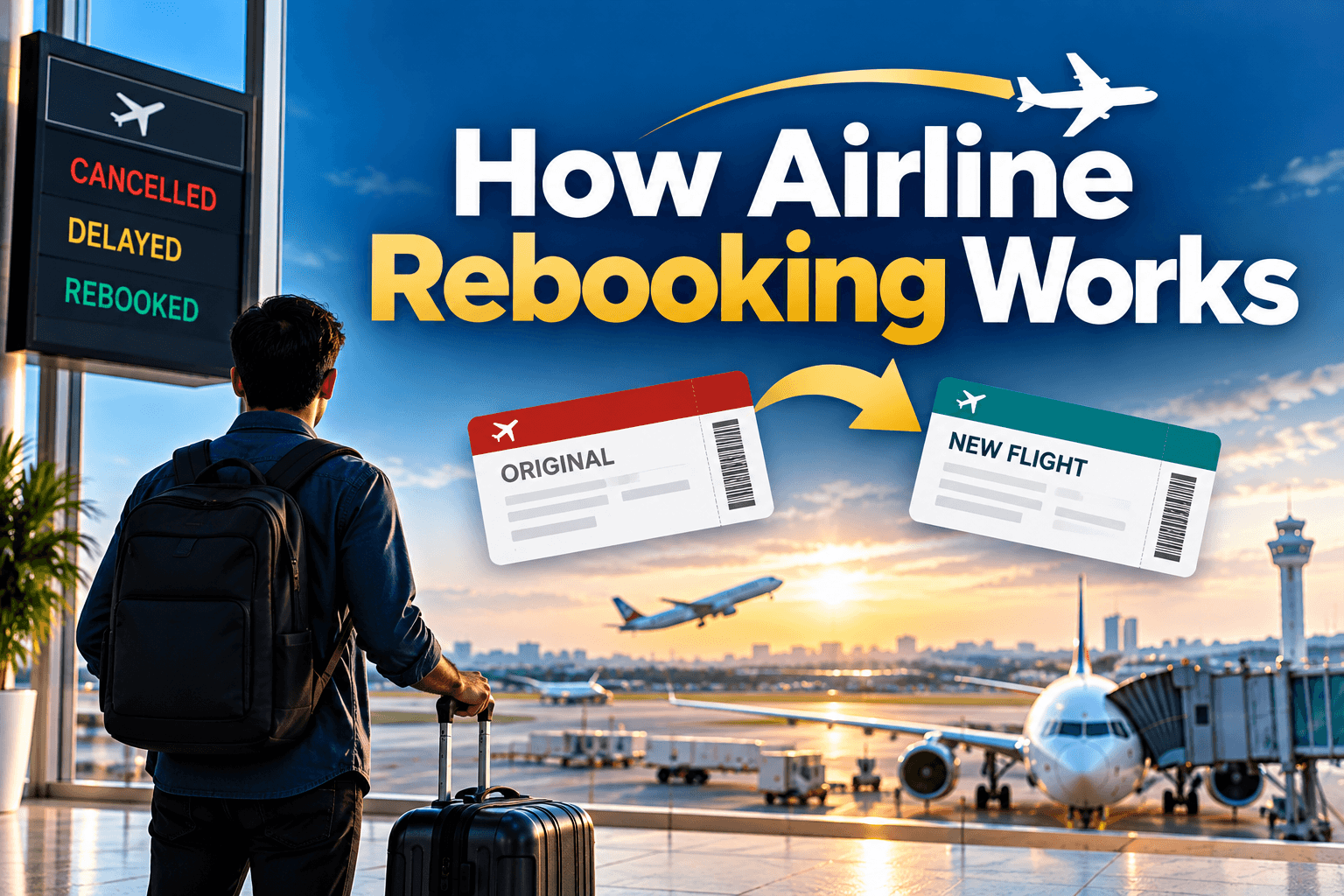
How Airline Rebooking Works
Flight disrupted or cancelled? Learn how airline rebooking works, when you may be rebooked, what happens to connecting flights, possible fees, and what passengers should do next.
18 September 2026
Need help planning your journey?
Contact New Umer Holidays Travel for flights, Umrah services, visa assistance, hotel bookings and travel insurance.